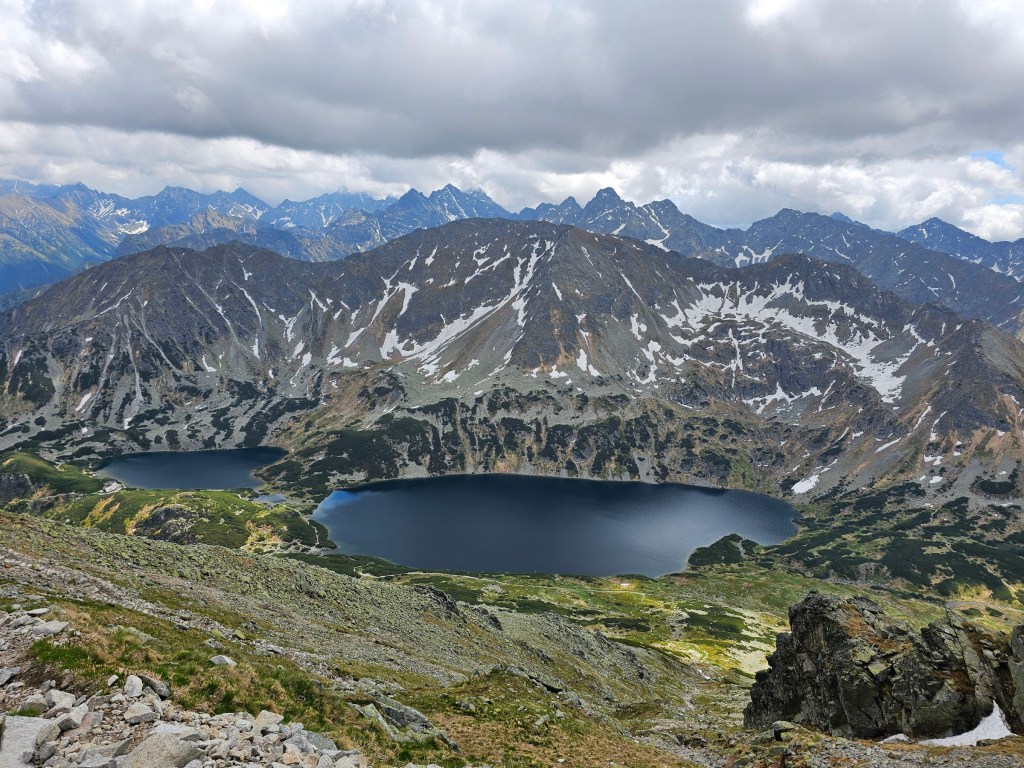
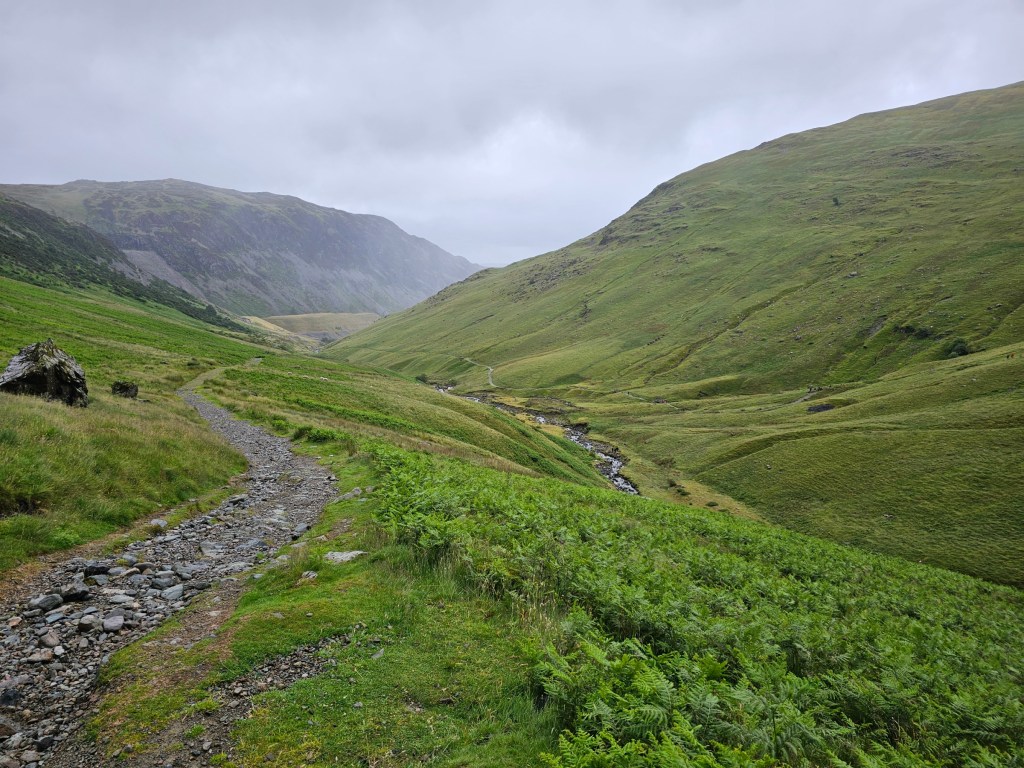
I love hikes and (very) long walks. If you look at my posts on this blog, I often post about my day trip hikes all around England. I walk half-marathons pretty much every weekend, and sometimes do even longer hikes, including marathon distances in a day. I love it! But the one thing that would limit me in the past was my tendency to catch back injuries, especially after strenuous exercise. So, over the last few years, I paid close attention to all the little details during my hikes and walks, and I made some observations. Since then, being aware of those little things, my post-hike recovery has improved greatly. Sure – I might still suffer from a slightly stiff back the next day, but it’s nothing compared to struggling to get up from a chair, which would happen in the past. Here are all the things that allowed me to enjoy long hikes without suffering the next day. The last tip is the most important!
I split my tips into three categories: before, during, and after the hike. All of them make a difference.
Before a long hike – ergonomic gear
I would never recommend splurging on expensive gear just because everyone else does. I don’t! What matters isn’t the price tag, but having gear that suits you and your body.
I’ve tried expensive, trendy items that felt horrible and didn’t work for me, and I have cheap items that I love and will use until they literally fall apart.
Shoes
This is one of the most important pieces of hiking gear. In my experience, there are three things that matter the most: the size, the flexibility of the sole, and the ankle support.
Starting with the most trivial: the size. If you do a hike that’s 20, 30, or even 40 kilometres long, there’s a good chance that your feet will swell by the end of it. If your shoes are just about the right size when you start the hike, they will feel uncomfortably tight after 30 kilometres. I’m not saying that you should get hiking boots a few sizes too big, but I do recommend adding a bit of a buffer.
Next, let’s talk about the sole. This is something that took me a long time to realise, but it’s made a huge difference to how my body handles a long hike.
A lot of hiking shoes have thick and sturdy soles. Great if you walk on uneven surface, but it comes with a price. If the sole is so sturdy that it slightly limits the range of motion of your foot (I’m talking about how much you can flex your toes), then you subconsciously compensate it in altered movement of the rest of your legs and body. And that tiny limitation – hardly noticeable during a single step – adds up throughout the hike. And if you walk 40 kilometres with unnatural movement, you’ll feel it the next day.
So, in my experience, shoes with a more bendable sole really help reduce the strain on my back. This year, I’ve been testing that assumption by using different hiking shoes for different hikes, and so far, it checks out.
When it comes to ankle support, I usually use hiking boots for longer routes, especially when there’s a lot of elevation gain, or if the trail is rocky and uneven. For flat trails, I use hiking shoes without ankle support.
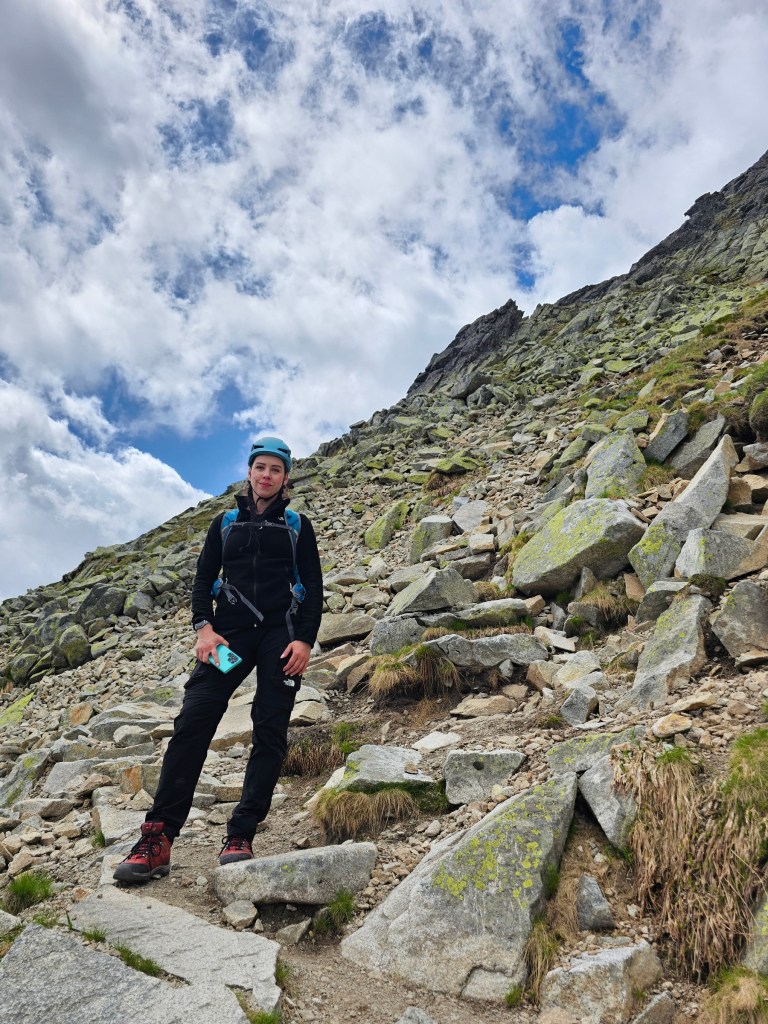
Backpack
If you use your old school backpack for long hikes and then suffer from back pain, it’s time to invest in an ergonomic backpack – one with a hip belt and a sturdy back. Make sure to try the backpack on – I recommend going to a sportswear shop and trying on a bunch of backpacks. Some of the hiking backpacks have adjustable height, which is really useful if you have a short torso – or if you’re short in general.
Activewear
You don’t necessarily need to invest in expensive clothes, but make sure that the clothes you wear for a long hike don’t limit your movement. I often see people hiking in jeans, and I always wonder how on earth do they find it comfortable. Clothes that limit your range of movement read to talking with a non-optimal strut, and that can result with muscle strain.
I also heard that walking poles can take some pressure off your knees and back. I don’t have any yet, but I’m planning to get a pair and test that theory soon.
Before a long hike – pack light
When you pack for a long hike, make sure to only pack what you actually need. Each additional 100g will add up during the long hours of walking. I’m not saying that you should take a minimal amount of food and water, but maybe leave that hardback book at home!
During a long hike – fuel well and regularly
I’ve realised that if I fail to eat and hydrate regularly during a hike, it makes me get tired a lot quicker during the hike, and the recovery takes longer too.
The type of food you bring on your hike matters too. Bananas are professional athletes’ favourites for a reason! They’re a source of carbs and potassium, which helps support your muscle during exercise. In general, I recommend taking easily digestible, nutritious foods. A good old sandwich goes a long way. I love bringing fruit on my hikes too, it’s an easy way of sneaking in extra hydration, and they’re refreshing during a hike. A lot of hikers recommend bringing something salty for long trips too. I usually opt for salted nuts – they’re a great fuel for a hike, they handle well being carried in a backpack for hours, and they’re lightweight.
The bottom line is to remember to eat and drink regularly during a hike, for sustained energy.
During a hike – being mindful of breaks
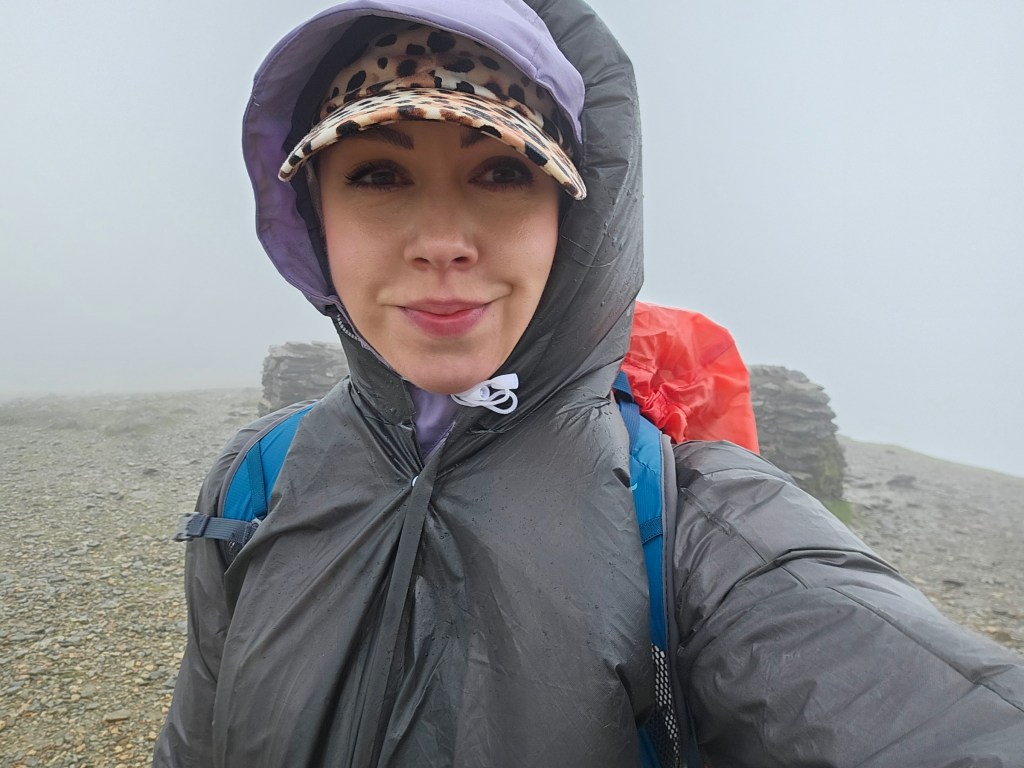
When you walk for a few hours, your muscle warms up. If you take a break and sit down, your muscle cools down. If it cools down too much before you restart the hike, it’s easy to get injured. If you watch professional sporting events, athletes usually keep moving regularly between their rounds. I’m not saying you shouldn’t have any breaks during long hikes, but try to keep moving and gently stretching if you rest for a prolonged time during a hike. And make sure that you don’t sit with a horrible posture! If your muscle cool down in a bad position, it’s just asking for injury.
After a hike – stretch, stretch, stretch
Now, this is probably the most important tip from this post. A good stretch after a long hike can do wonders.
I usually go on my hikes by train. My treks typically start and end at a train station, with no long breaks during the trip. This means that I often get to the train station after walking for 6, 8 or 10 hours non stop. After such long exercise, you might want to just sit down and rest. And if you board a train and sit for an hour or two, that’s a bad idea!
Last year, I made a rule for my hikes. When I get to the train station after the hike, I go to the platform, take off my backpack, and stretch. Basic standing stretches can do wonders! My go-to-moves include:
- bending to touch my toes and holding
- a windmill rotation – touching my left foot with my right hand, then my right foot with my left arm
- putting my hands on my hips and arching my back, pushing my stomach to the front and my head to the back
- standing on one leg and bringing the other knee to my chest (it helps to stand by a wall if your balance isn’t great)
- standing on one leg and bringing the other foot to my bum
I genuinely see a huge difference in how I feel the next day when I stretch well right after a long hike. If there’s one thing you should try, it’s this one. If I don’t stretch, my back is usually in agony the next day. When I do stretch, recovery is a lot better!
I also recommend doing another round of stretching when you get home, but don’t skip the stretches directly after the hike – the initial cool down is the most important.

Happy hiking!
So there you have it – my list of tips for avoiding back pain after a long hike and ensuring a better recovery. Backed by years of long hikes, I saw a real difference on post-hike days when I started following these rules. A basic stretch can go a long way!
Also see: